Hot Indian B Grade Scene Hot South Indian Aunty Youtube 2 Link //free\\ [ Verified — Full Review ]
The landscape of South independent cinema is experiencing a massive renaissance. Away from the multi-million dollar budgets of mainstream blockbusters, a new wave of filmmakers is redefining regional storytelling. Central to this movement is the "grade scene"—a dual-concept term that refers to both the highly technical art of color grading and the critical grading systems used by independent movie reviews to evaluate these cinematic triumphs. 1. What is the "Grade Scene" in Independent Cinema?
Tucked away in the heart of [neighborhood], Scene South is an independent cinema that has been flying under the radar for far too long. As a film enthusiast, I was thrilled to stumble upon this gem and experience it for myself.
Colors carry deep cultural significance in the South. Indie colorists manipulate the grading scene to highlight specific hues—such as the vibrant saffron of festival attire, the deep blue of coastal waters, or the stark grey of urban poverty—to tell a story beneath the dialogue. 3. How Independent Movie Reviews Shape the Scene The landscape of South independent cinema is experiencing
Grade Scene serves as both a critic and an archivist. Its reviews provide the thoughtful analysis necessary to elevate the discourse around independent film, while its coverage ensures that the vibrant, difficult, and beautiful work coming out of the South is documented. In a media landscape that often overlooks the regional for the global, Grade Scene reminds us that some of the most compelling stories are happening just down the street.
The traditional film landscape is shifting, and independent cinema is leading the charge. While Hollywood relies heavily on safe sequels and massive special effects budgets, independent filmmakers are pushing artistic boundaries. They explore complex human emotions and tell raw, authentic stories. As a film enthusiast, I was thrilled to
The "grade scene" refers to the specific frameworks, criteria, and critical communities that rate and analyze films. In mainstream cinema, grading is often transactional, answering a simple question: Is this worth the price of a movie ticket?
The exact phrase "Grade Scene South" does not appear to correspond to a single, established independent cinema organization or a specific movie review platform in current records. However, the components of your request— grading scenes Southern independent cinema movie reviews grading is often transactional
In an era where film criticism is increasingly bifurcated between corporate-sponsored blockbuster hype and high-brow academic deconstruction, a vital middle ground exists for the true cinephile: the independent film blog. Within the Southern United States—a region often typecast in mainstream media but teeming with complex, evolving narratives—platforms like have become essential archives of local culture.
The landscape of South independent cinema is experiencing a massive renaissance. Away from the multi-million dollar budgets of mainstream blockbusters, a new wave of filmmakers is redefining regional storytelling. Central to this movement is the "grade scene"—a dual-concept term that refers to both the highly technical art of color grading and the critical grading systems used by independent movie reviews to evaluate these cinematic triumphs. 1. What is the "Grade Scene" in Independent Cinema?
Tucked away in the heart of [neighborhood], Scene South is an independent cinema that has been flying under the radar for far too long. As a film enthusiast, I was thrilled to stumble upon this gem and experience it for myself.
Colors carry deep cultural significance in the South. Indie colorists manipulate the grading scene to highlight specific hues—such as the vibrant saffron of festival attire, the deep blue of coastal waters, or the stark grey of urban poverty—to tell a story beneath the dialogue. 3. How Independent Movie Reviews Shape the Scene
Grade Scene serves as both a critic and an archivist. Its reviews provide the thoughtful analysis necessary to elevate the discourse around independent film, while its coverage ensures that the vibrant, difficult, and beautiful work coming out of the South is documented. In a media landscape that often overlooks the regional for the global, Grade Scene reminds us that some of the most compelling stories are happening just down the street.
The traditional film landscape is shifting, and independent cinema is leading the charge. While Hollywood relies heavily on safe sequels and massive special effects budgets, independent filmmakers are pushing artistic boundaries. They explore complex human emotions and tell raw, authentic stories.
The "grade scene" refers to the specific frameworks, criteria, and critical communities that rate and analyze films. In mainstream cinema, grading is often transactional, answering a simple question: Is this worth the price of a movie ticket?
The exact phrase "Grade Scene South" does not appear to correspond to a single, established independent cinema organization or a specific movie review platform in current records. However, the components of your request— grading scenes Southern independent cinema movie reviews
In an era where film criticism is increasingly bifurcated between corporate-sponsored blockbuster hype and high-brow academic deconstruction, a vital middle ground exists for the true cinephile: the independent film blog. Within the Southern United States—a region often typecast in mainstream media but teeming with complex, evolving narratives—platforms like have become essential archives of local culture.
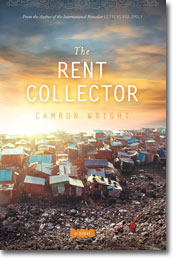
 The Rent Collector was named Book
of the Year Gold Winner by Foreword Magazine, Best Novel of the Year at
the Whitney Awards, and was a nominee for the prestigious International DUBLIN
Literary Award. In addition to North America, The Rent Collector has
also been published in Turkey, Indonesia, Norway, Korea, and Spain.
The Rent Collector was named Book
of the Year Gold Winner by Foreword Magazine, Best Novel of the Year at
the Whitney Awards, and was a nominee for the prestigious International DUBLIN
Literary Award. In addition to North America, The Rent Collector has
also been published in Turkey, Indonesia, Norway, Korea, and Spain.  Plus Exciting News: