Explore interactive simulations, build molecules in 3D, conduct virtual experiments, and access professional chemistry tools — all free from your browser.
Hands-on virtual experiments and molecular visualization tools
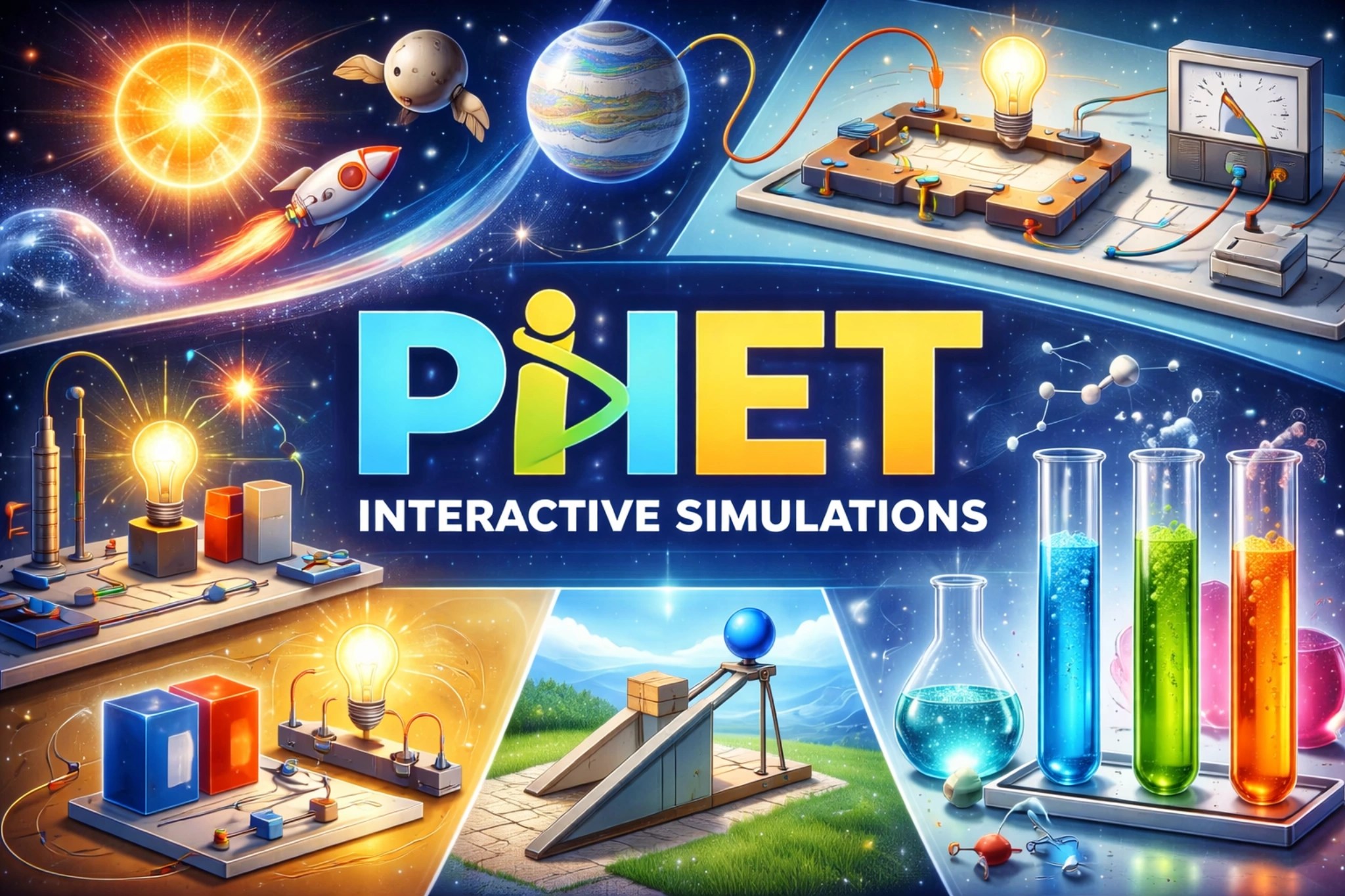
PhET Interactive Simulations is a free, research-based platform that provides interactive science and math simulations. It’s widely used by students, teachers, and universities. radiographic pathology for technologistspdf top
Try It

ChemTube3D contains interactive 3D chemistry animations and structures for students studying some of the most important topics in advanced school chemistry. Destruction of alveolar walls, trapping air in the lungs
View ChemTube3D
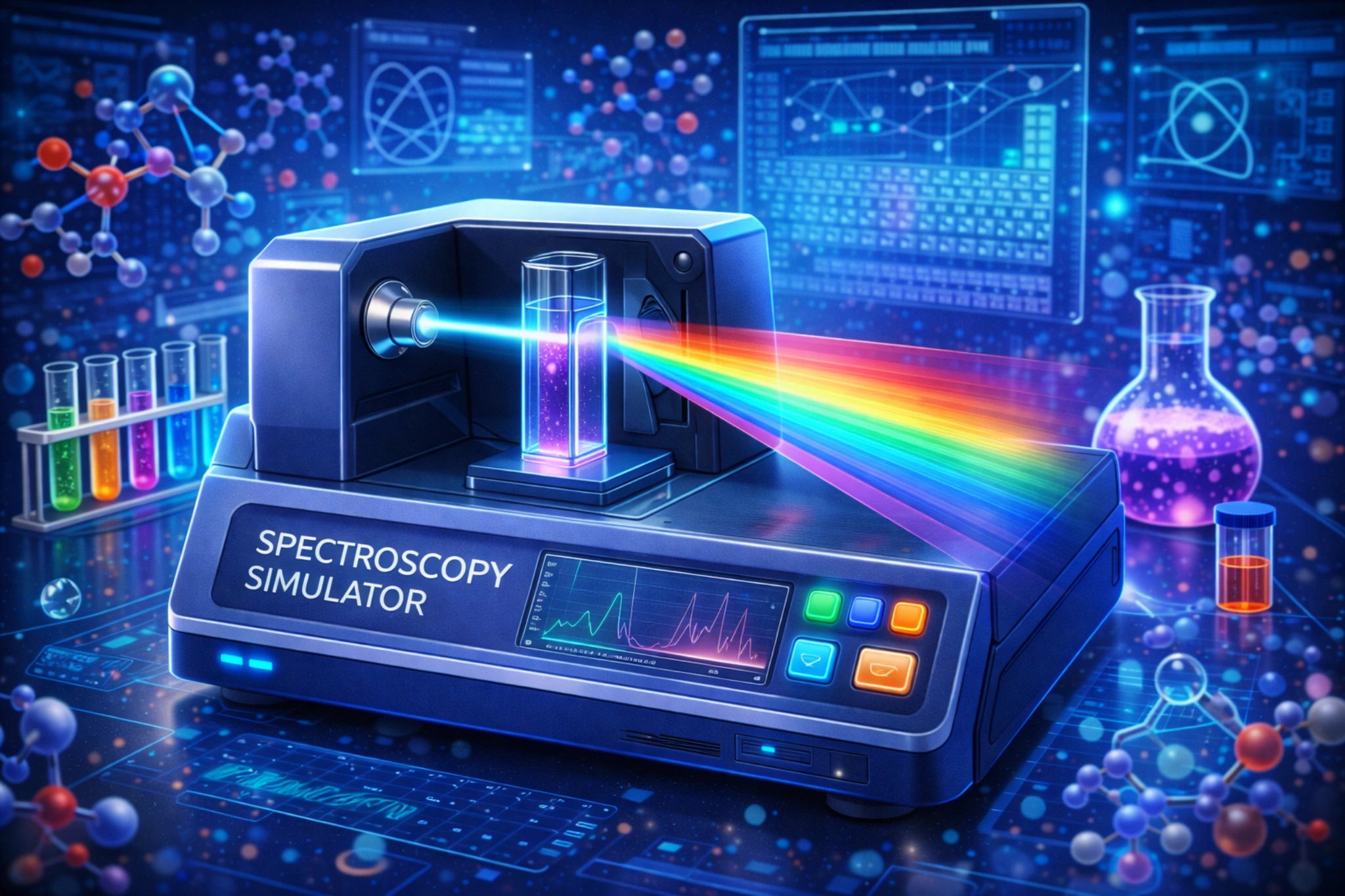
NMR spectroscopy is certainly the analytical methodology that provides the most information about a molecule. Teaching and interpreting spectra may however be challenging. . Radiologic technologists do not diagnose patients
Start AnalysisDestruction of alveolar walls, trapping air in the lungs.
When reviewing your PDF resources, prioritize understanding the imaging appearance of these common conditions:
Note whether the pathology requires an increase or decrease in technical factors (kVp/mAs).
In the modern digital learning environment, having access to digital formats of textbooks and resources is a major advantage.
Radiologic technologists do not diagnose patients. However, they play a critical role in the diagnostic pathway. Understanding radiographic pathology allows technologists to produce optimal images, recognize critical findings, and ensure patient safety.
This guide serves as a foundational overview of radiographic pathology, detailing essential disease processes, imaging classifications, and how technologists can optimize their digital library for clinical success. The Role of the Technologist in Pathology
– Ultrasound: simple cyst (anechoic, thin wall) vs. complex mass (solid, thick septations, papillary projections) suspicious for malignancy.
Destruction of alveolar walls, trapping air in the lungs.
When reviewing your PDF resources, prioritize understanding the imaging appearance of these common conditions:
Note whether the pathology requires an increase or decrease in technical factors (kVp/mAs).
In the modern digital learning environment, having access to digital formats of textbooks and resources is a major advantage.
Radiologic technologists do not diagnose patients. However, they play a critical role in the diagnostic pathway. Understanding radiographic pathology allows technologists to produce optimal images, recognize critical findings, and ensure patient safety.
This guide serves as a foundational overview of radiographic pathology, detailing essential disease processes, imaging classifications, and how technologists can optimize their digital library for clinical success. The Role of the Technologist in Pathology
– Ultrasound: simple cyst (anechoic, thin wall) vs. complex mass (solid, thick septations, papillary projections) suspicious for malignancy.